




Worth Seeing! Historical Postcards in Dialogue with Contemporary Documentary Photography
In the common understanding, “worth seeing”, worth a look, refers to objects that have significance beyond the everyday and represent something spectacular, prominent, or attractive. With postcards, a visually distinct genre of photography—one that is at times aesthetically exaggerated—has developed. This idealized visual language took shape as early as the dawn of photography and continues to exist today in virtually unchanged form.
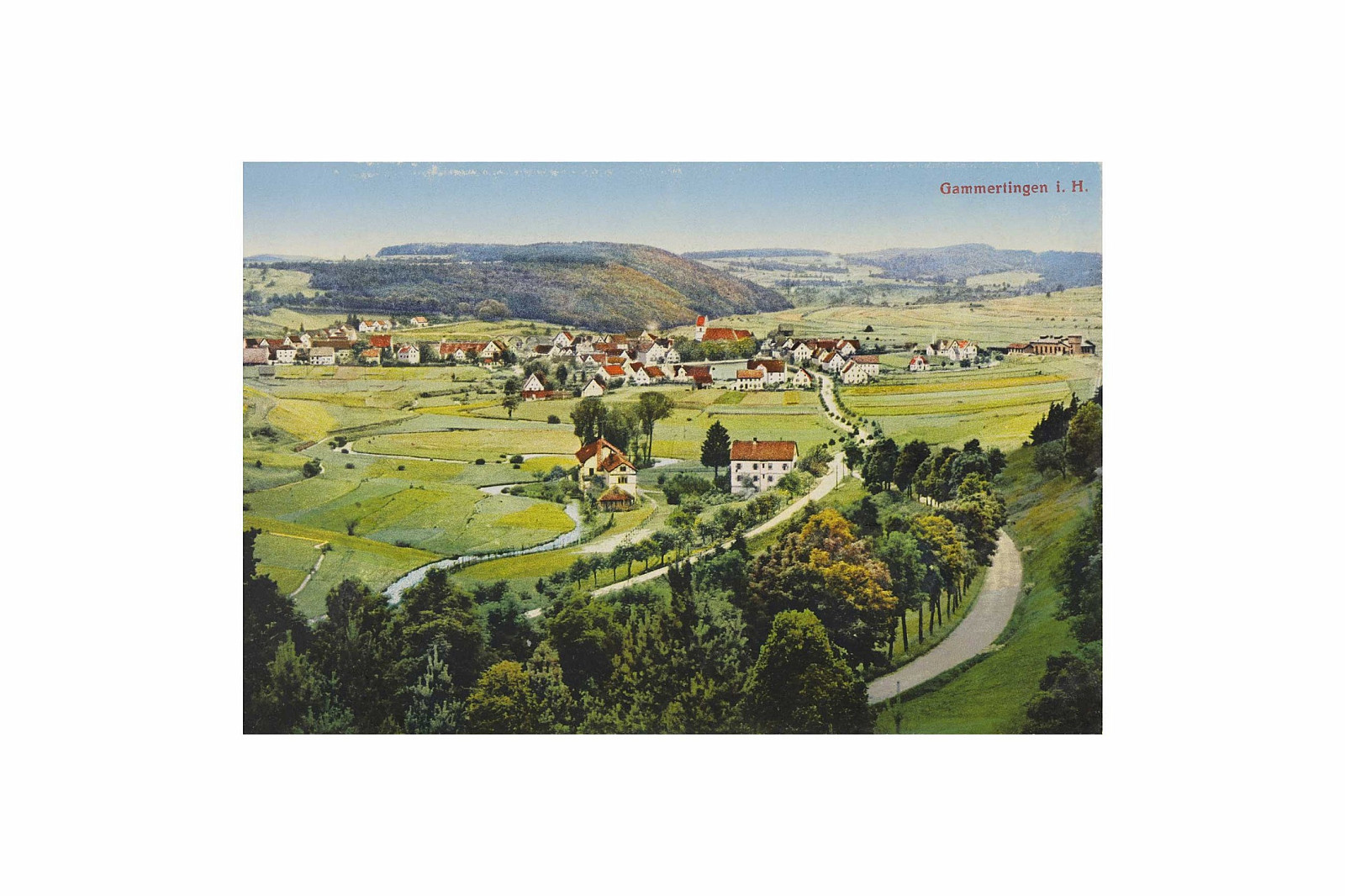
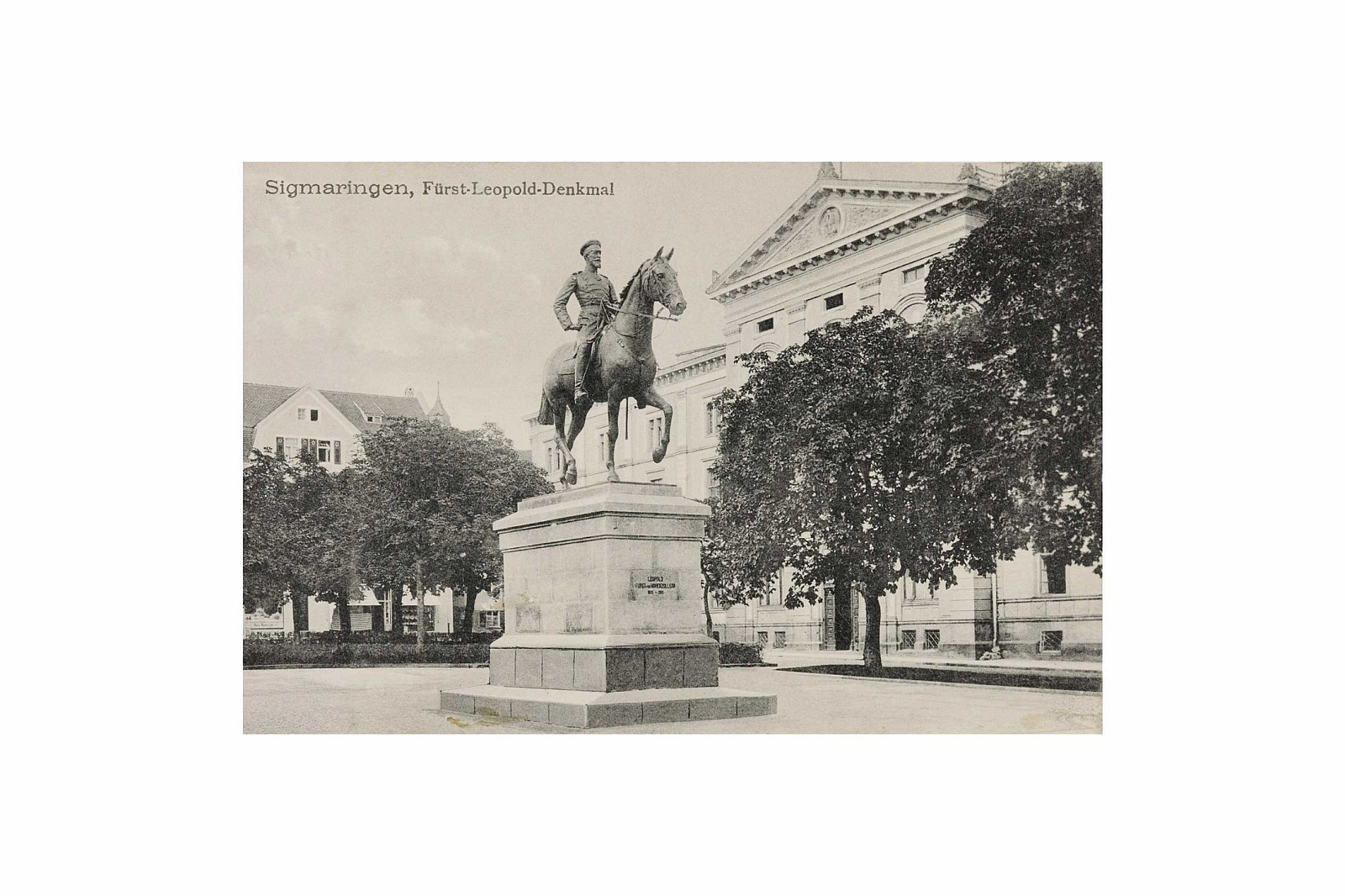
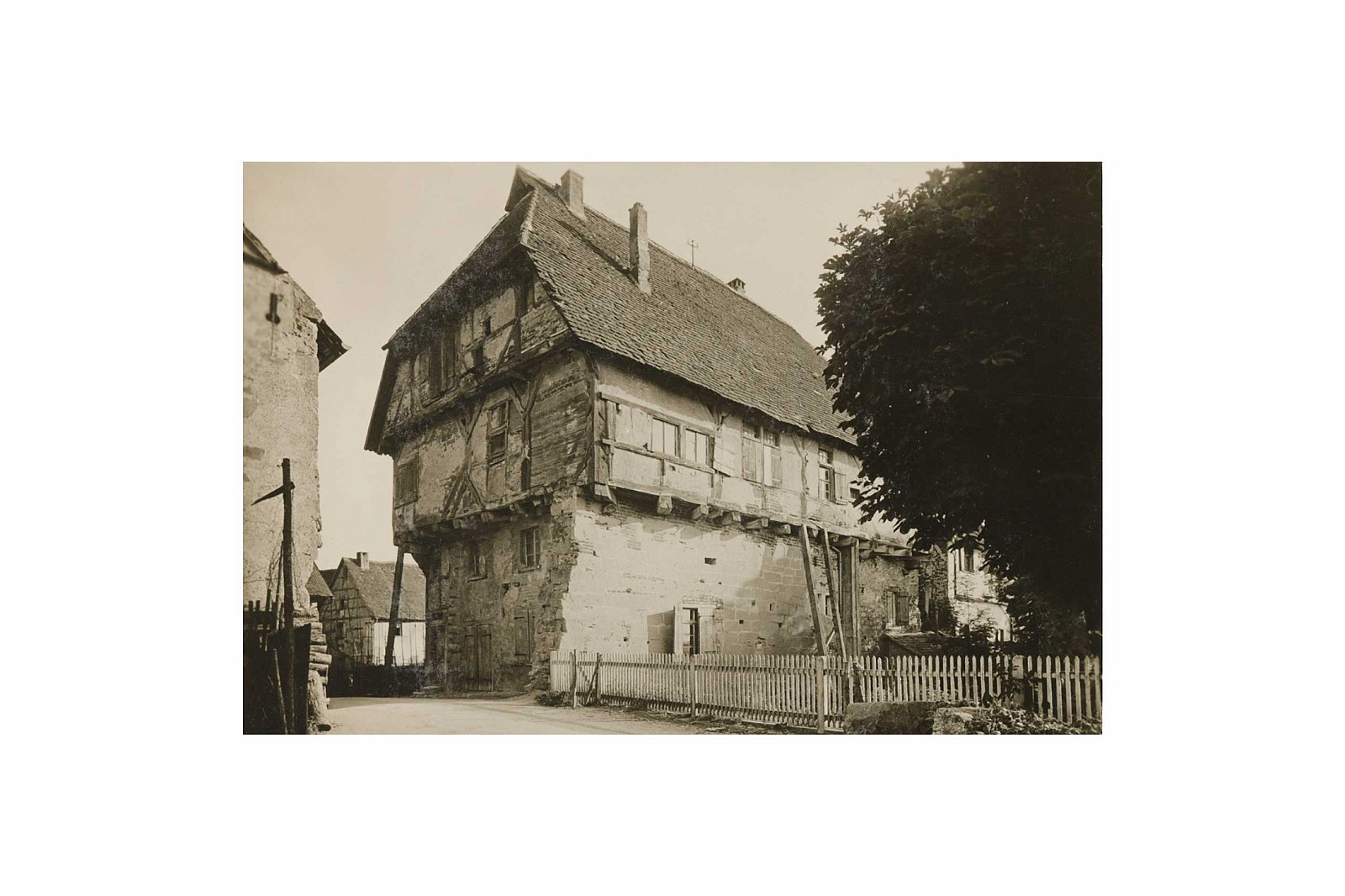
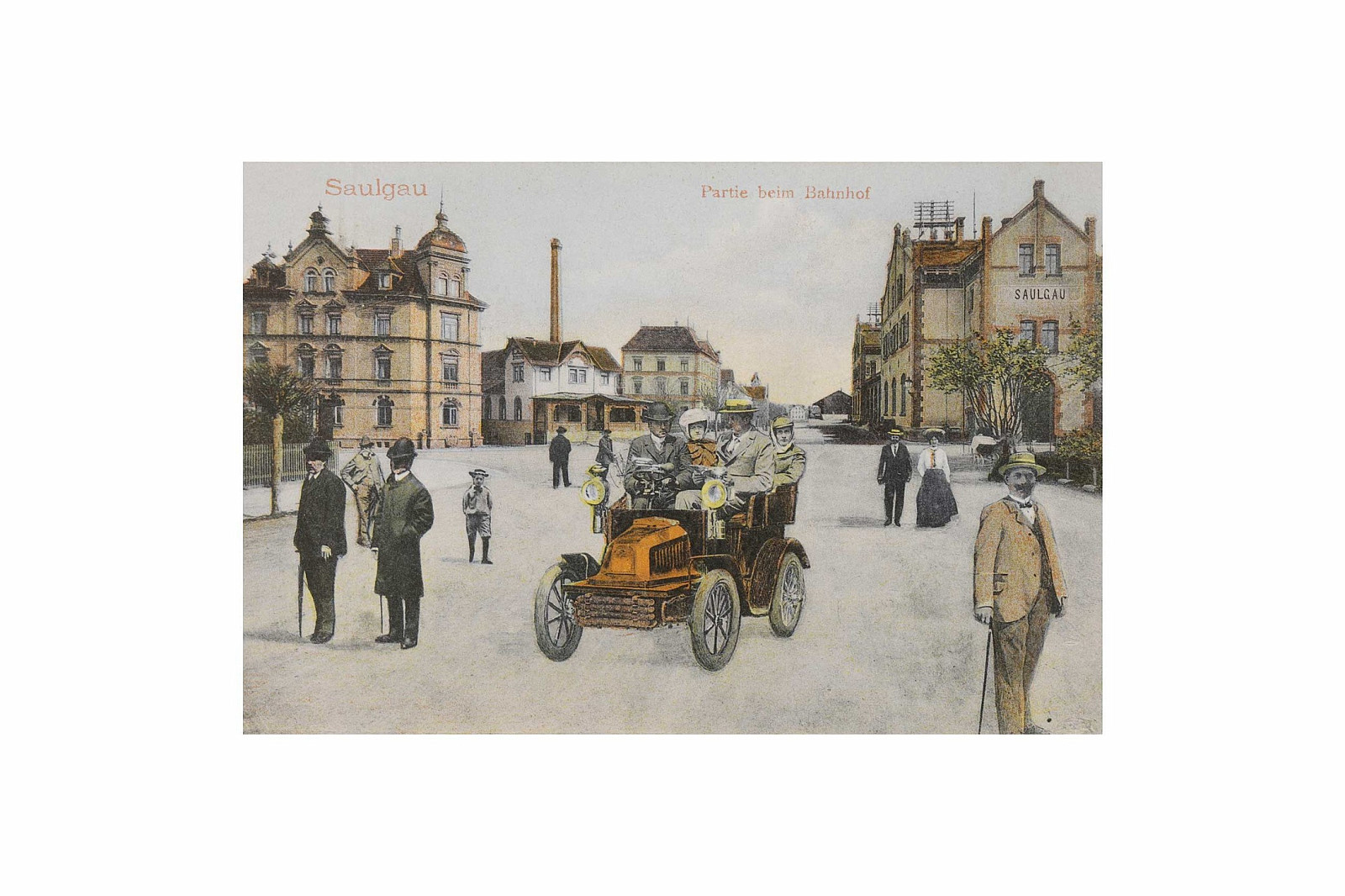
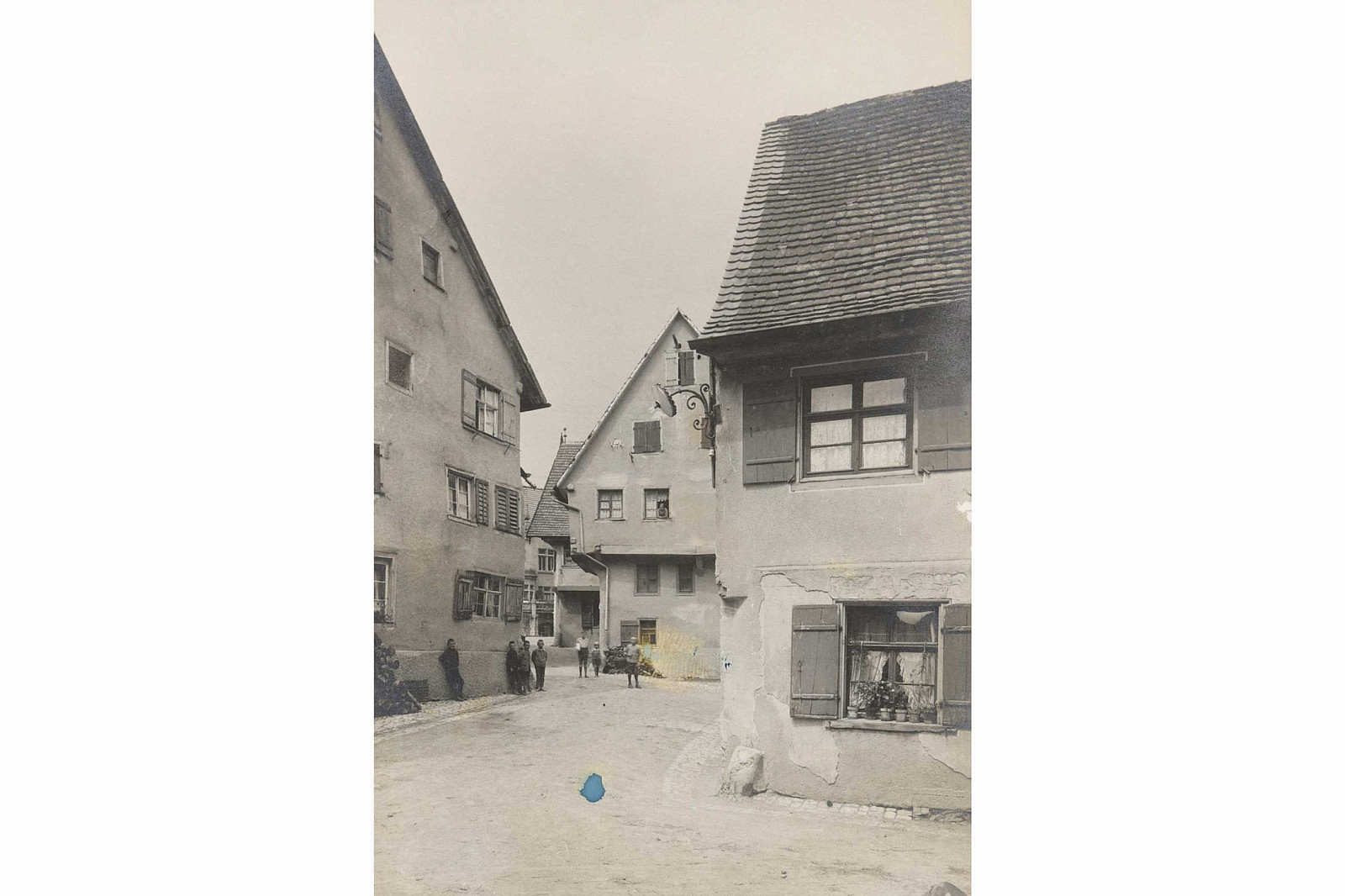
From 1890 through the 1980s, the Metz Brothers publishing house in Tübingen produced thousands upon thousands of postcards throughout Germany, including from Upper Swabia and Hohenzollern.
For the exhibition project marking the 50th anniversary of the Sigmaringen district, I used the Metz postcard collection as a resource for my own visual research and image creation.
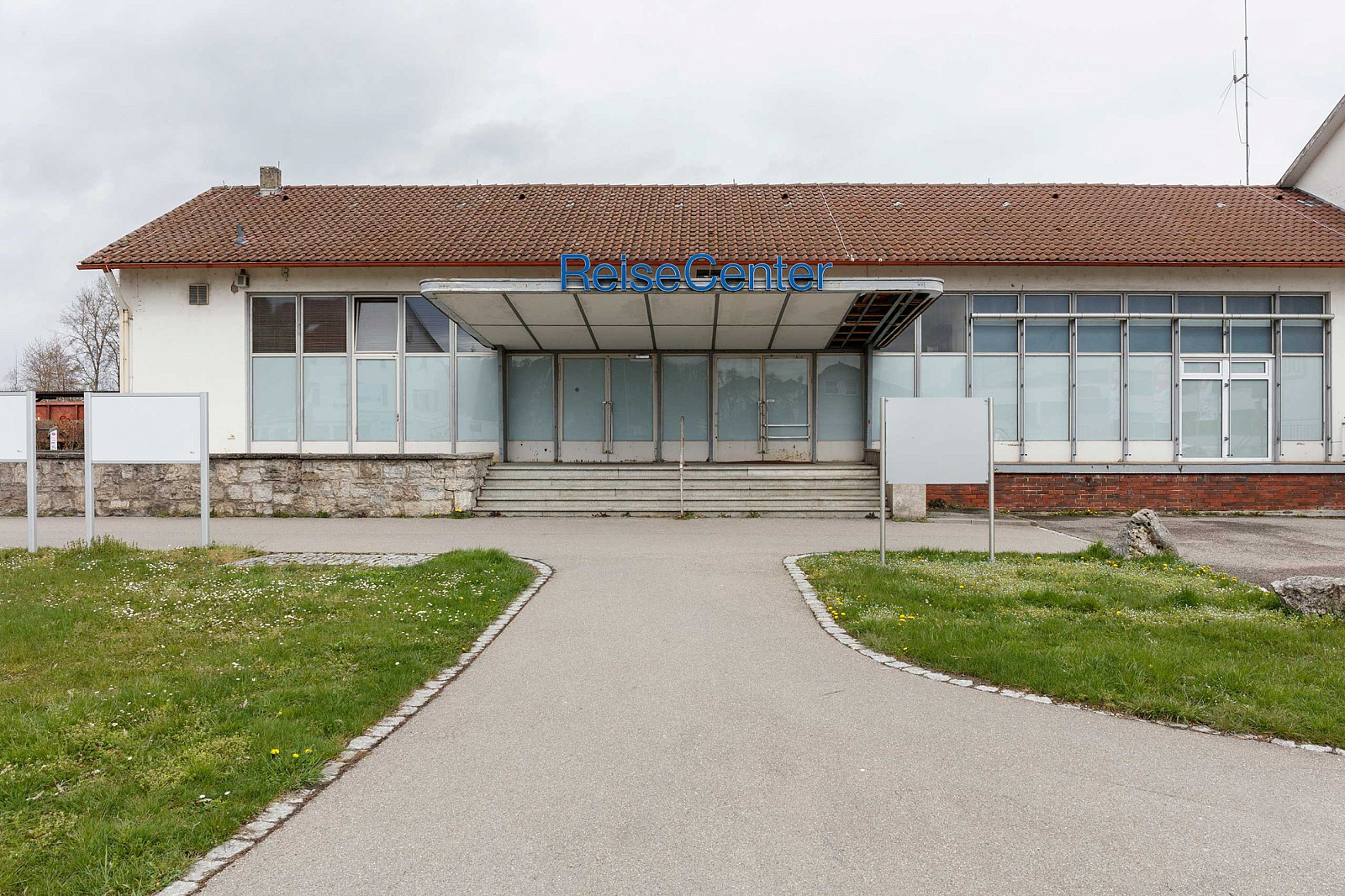
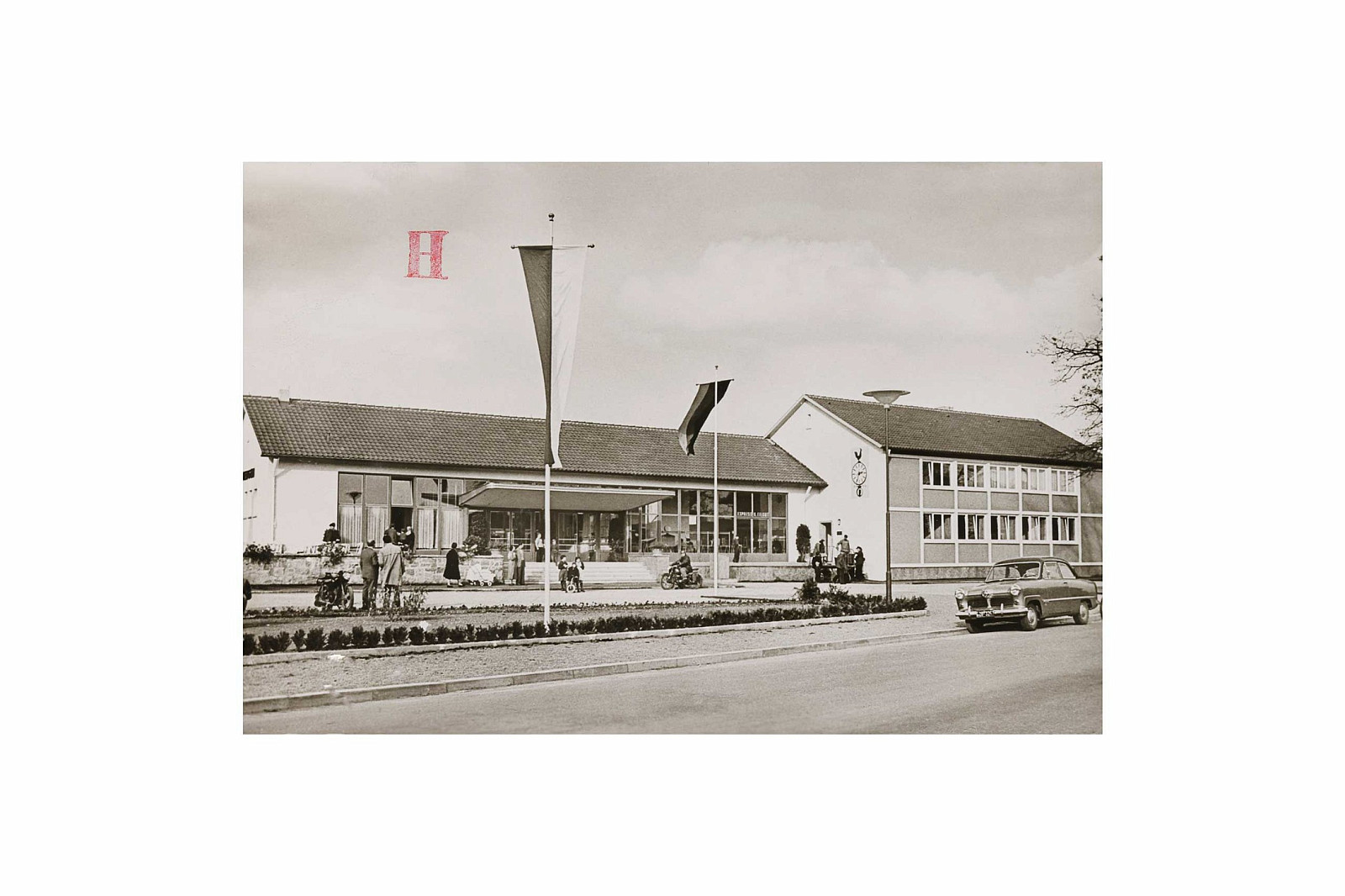
I selected various cityscapes from the Sigmaringen district that interested me and revisited and photographed the locations depicted on them in 2023. My aim was not to simply recreate the exact postcard motifs, but to find a contemporary interpretation of the place that felt visually and thematically coherent to me.
Even today, our region is mostly portrayed as a romanticized rural idyll. Upon closer inspection, however, this idyll has long since ceased to exist—if it ever existed at all. Advertising campaigns such as the current state campaign “The Länd” therefore perpetuate and reinforce questionable, at times nonsensical, naive, and outdated value systems and ways of thinking.
On the other hand, the writings of Maria Beig, Karl Heinz Ott, and Arnold Stadler offer entirely different, literarily profound insights into the hardships and pitfalls of everyday life in Upper Swabia.
My objective author’s perspective complements these literary interpretations of our lived worlds with a photographic one.
The pairs of images conceived specifically for this exhibition show, on the one hand, in my large-format photographs, the sometimes brutal and open wounds that time has inflicted on the region. My subjective, documentary-style perspective is contrasted by the naively idealized, illusory worlds of historical postcard motifs depicting the same locations.
“Progress knows no consideration,” wrote Peter Renz in his essay on my images in the photo book “Abseits” (published in 2012). A frenzy of modernization, structural change, and the pursuit of efficiency are the contextual cornerstones of my photographic field research. For this reason, I believe the everyday signs of our time in my photo series — the very opposite of the spectacular, the neither prominent, nor the attractive — are well worth seeing!
- Exhibitions
- 2023
- "Kreis-Bilder. Der Landkreis Sigmaringen im Blick der Kunst“, Kreisgalerie, Meßkirch (12.11.2023 - 01.03.2024)